Understanding Body Shapes: 2026 Style Guide for Flattering Figures
Ads
Understanding body shapes can help organize styling choices around proportion, fit, and personal preference. In 2026, the emphasis is less on rigid categories and more on using these frameworks as flexible tools for confident dressing.
Understanding body shapes can make clothing choices easier by highlighting how garments interact with shoulders, waist, hips, and overall proportions.
These categories are styling frameworks rather than medical or scientific classifications. They are useful only when they help someone dress more comfortably and intentionally.
Ads
Modern styling places greater emphasis on fit, preference, and self-expression than on following fixed rules. The goal is to support choice rather than prescribe one ideal silhouette.
The Evolving Landscape of Body Shapes Analysis in 2026
body shapes styling remains common, but contemporary advice is moving away from treating categories as strict rules. Personal style and comfort now play a larger role.
Ads
People may also fall between categories or notice that their proportions change over time. That makes flexible interpretation more useful than rigid labeling.
This approach allows understanding body shapes to function as a practical styling aid. It should support experimentation rather than restrict wardrobe choices.
Identifying Your Core Body Shapes: A Practical Approach
Many style guides use five broad categories: hourglass, apple, pear, rectangle, and inverted triangle. These labels describe relative proportions rather than weight or clothing size.
You can compare shoulders, bust, waist, and hips visually or with measurements. Exact numbers are not necessary unless you prefer a more structured approach.
The purpose is simply to notice where volume is naturally distributed. That information can make it easier to experiment with different silhouettes and garment shapes.
The Hourglass Figure: Celebrating Curves
An hourglass shape generally has a visibly defined waist with bust and hips appearing relatively similar in width. This creates a naturally curving silhouette.
Waist-defining garments can emphasize those proportions if that is the effect you prefer. Wrap styles, belts, and fitted pieces are common options.
Loose or oversized clothing can also work when that matches your personal style. There is no requirement to emphasize the waist simply because of body shapes.
- Key Principle: Emphasize the waist if you want to highlight curves.
- Style Tip: Try fitted or waist-defined silhouettes.
- Garment Examples: Wrap dresses, belted tops, high-waisted skirts.
The Apple Shape: Balancing the Midsection
An apple shape usually carries more visual volume through the torso, with a less defined waist. Shoulders and bust may also appear broader than the hips.
Some people prefer garments that create vertical movement or place attention on the neckline and legs. V-necks, longer layers, and straight silhouettes can support that effect.
Others may prefer fitted or cropped pieces instead, and those choices are equally valid. Comfort and intended style matter more than following a fixed formula.
- Key Principle: Create length or shift visual focus if desired.
- Style Tip: Experiment with V-necks and longer silhouettes.
- Garment Examples: Tunics, straight-leg trousers, empire styles.
Pear Body Shapes: Enhancing the Upper Body and Balancing Hips
A pear or triangle shape generally has hips that appear wider than the shoulders or bust. This creates more visual volume through the lower body.
Adding detail or structure above the waist can create a more balanced visual effect if that is your goal. Boat necks, textured tops, and structured jackets are common choices.
Darker bottoms and fuller upper-body details are optional techniques rather than rules. Personal preference should determine whether balance or contrast is the desired effect.
Rectangle Body Shapes: Creating Curves and Definition
A rectangle shape usually has relatively similar widths through the bust, waist, and hips. The waist may appear less defined than in curvier silhouettes.
Belts, peplums, layering, and structured garments can create more visual definition. Volume can also be added selectively around the shoulders or hips.
A straight silhouette can look equally intentional without added curves. The styling choice depends on whether you want definition or prefer a cleaner linear shape.
- Key Principle: Add definition only if that supports your style goal.
- Style Tip: Use belts, layering, or structured shapes.
- Garment Examples: Belted dresses, peplum tops, full skirts.
Inverted Triangle: Balancing Shoulders with Lower Body
An inverted triangle shape generally has shoulders or bust that appear broader than the hips. The upper body therefore carries more visual width.
Fuller skirts, wide-leg trousers, or detailed bottoms can create more balance if desired. Simpler tops may also reduce emphasis on the shoulder line.
Broad shoulders can also be intentionally highlighted rather than minimized. Strong tailoring and structured necklines can create a bold fashion statement.
- Key Principle: Add lower-body volume when visual balance is the goal.
- Style Tip: Try wide-leg bottoms or fuller skirts.
- Garment Examples: A-line skirts, wide-leg pants, simple tops.
The Five Key Principles of Flattering Your Figure in 2026
Five broad principles can help organize styling decisions without tying them to one specific body type. They focus on proportion, emphasis, fabric, visual lines, and fit.
These principles work best as flexible tools rather than universal rules. The same technique can produce different results depending on the garment and wearer.
Understanding body shapes becomes most useful when combined with experimentation. Personal comfort and visual preference should always remain central.
Principle 1: Creating Visual Balance and Proportion
Visual balance involves deciding where you want volume, structure, or attention within an outfit. Clothing can either echo existing proportions or create contrast.
For example, fuller trousers can visually balance broader shoulders, while structured tops can add presence above wider hips. Neither approach is mandatory.
The purpose is to understand how different garment shapes interact with your proportions. That awareness gives you more control over the final silhouette.
Principle 2: Highlighting Your Best Features
Styling can direct attention toward features you enjoy emphasizing. This might include the waist, shoulders, legs, neckline, or any other area.
Color, texture, fit, accessories, and garment length can all influence where the eye naturally travels. Small changes can create a noticeable shift in focus.
The feature you choose to highlight is entirely personal. This principle works best when it supports confidence rather than correcting perceived flaws.
- Key Focus: Direct attention toward features you enjoy.
- Technique: Use color, fit, pattern, and texture strategically.
- Benefit: Supports personal expression and confidence.
Principle 3: Strategic Use of Fabric and Texture
Fabric affects how a garment hangs, stretches, and creates volume. Structured materials tend to hold shape, while softer fabrics usually drape more closely.
Denim, canvas, and heavier cotton can add definition or structure. Silk, rayon, and lightweight knits often create a softer visual line.
The best fabric depends on the effect you want and how comfortable the material feels. Texture can also add visual interest without changing silhouette dramatically.
- Impact: Fabric affects drape, structure, and perceived volume.
- Consideration: Structured and fluid fabrics create different effects.
- Application: Choose materials based on your preferred silhouette.
Principle 4: Understanding Vertical and Horizontal Lines
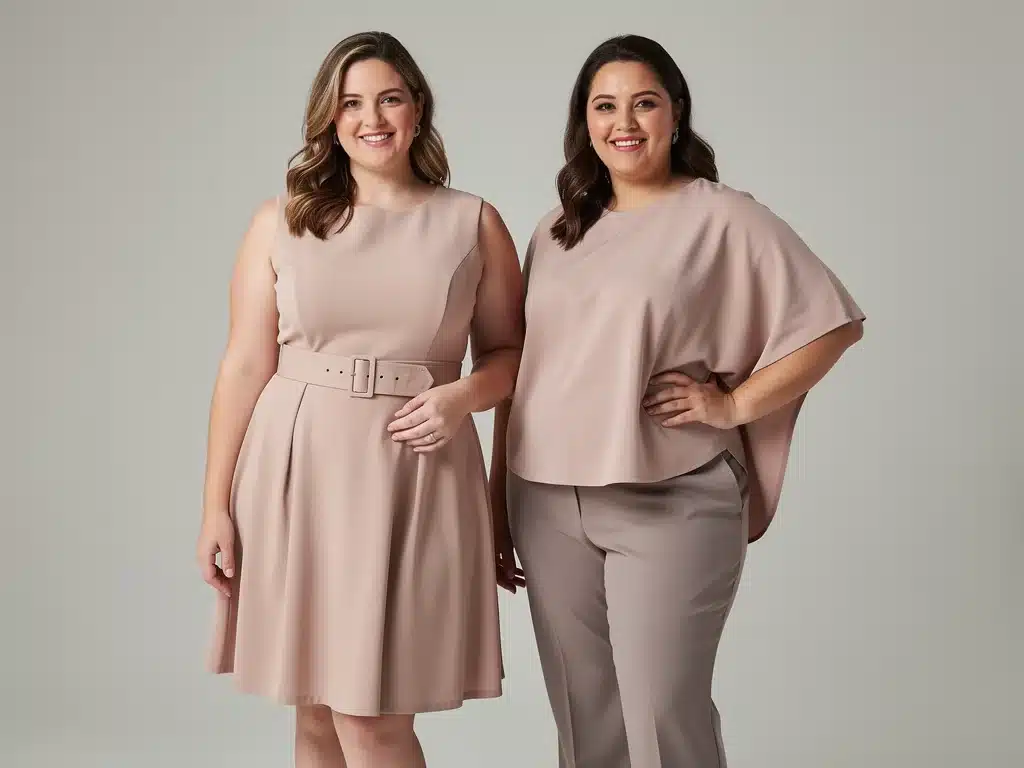
Garment lines can influence how the eye moves across an outfit. Vertical details often create a sense of length, while horizontal elements can emphasize width.
Open jackets, long seams, and vertical patterns may produce an elongating effect. Waistbands, stripes, and contrasting hems can create stronger horizontal emphasis.
These effects are visual tendencies rather than absolute rules. Scale, contrast, fabric, fit, and overall styling all influence the final result.
Principle 5: The Power of Fit and Tailoring
Fit often has a greater impact on appearance than price, brand, or trend status. A garment works best when its proportions match the intended design.
Tailoring can adjust sleeve length, hems, waist placement, and overall shape. Even simple alterations can make clothing feel more intentional and comfortable.
Proper fit does not mean every garment must be close to the body. Oversized and relaxed pieces can look polished when their proportions are deliberate.
| Key Principle | Brief Description |
|---|---|
| Visual Balance | Use volume and structure intentionally to influence overall proportions. |
| Highlight Assets | Draw attention to the features you personally enjoy emphasizing. |
| Fabric & Texture | Choose materials according to the drape, structure, and effect you want. |
| Proper Fit | Prioritize intentional proportions, comfort, and tailoring where useful. |
Frequently Asked Questions About Body Shapes
Many styling guides use hourglass, apple, pear or triangle, rectangle, and inverted triangle. These are broad descriptive categories rather than fixed scientific classifications.
Yes. Proportions can change with age, weight changes, pregnancy, muscle development, and other factors, so a styling category may change over time.
No. Body shapes guidance is optional and works best as a source of ideas rather than rules that limit personal style or preferred silhouettes.
Compare the relative width of your shoulders, bust, waist, and hips visually or with measurements. You may also fall between two commonly used categories.
There is no universal single rule, but intentional fit is one of the most useful considerations. Comfort, personal preference, and desired silhouette matter just as much.
Looking Ahead: The Future of Flattering Fashion
The future of understanding body shapes is likely to remain more flexible and individualized. Styling advice increasingly recognizes that one silhouette does not define everyone.
Expanded sizing, adaptive design, and more varied fit options can give consumers greater choice. These developments make personalization more useful than traditional one-size-fits-all advice.
Ultimately, flattering fashion is best defined by the wearer. Body shapes frameworks can provide guidance, but confidence, comfort, and individual expression remain the strongest foundations.
