2026 Smart Shopper’s Guide: Quality Wardrobe on a Budget

Ads
Smart Shopper focuses on seven practical strategies for buying fewer unnecessary pieces, evaluating garment quality, using secondhand markets, shopping sales carefully, creating versatile outfits, maintaining clothing, and choosing pieces that suit your real lifestyle.
Smart Shopper is about making deliberate purchases rather than assuming expensive clothing is always better or cheap clothing is always poor quality.
A useful wardrobe balances fit, construction, care requirements, versatility, personal style, and price while avoiding purchases that are unlikely to be worn regularly.
Ads
These seven strategies can help shoppers improve wardrobe value over time while preserving the freedom to experiment with personal style.
Navigating the Fashion Landscape in 2026
Fashion Smart Shopper in 2026 have access to traditional retail, online marketplaces, resale platforms, rental services, outlet channels, and direct-to-consumer brands.
Ads
This abundance can create more choice, but it also makes it easier to buy clothing that looks attractive online yet does not fit a real wardrobe need.
A Smart Shopper approach starts by comparing quality, usefulness, total cost, and care requirements rather than reacting only to trends or discounts.
Strategy 1: Define Your Style and Wardrobe Needs
Before buying anything, review the clothing you already own and identify the pieces that are worn most often.
Your work routine, climate, social activities, comfort preferences, and laundry habits should shape your wardrobe more than generic lists of “must-have” items.
This helps new purchases connect with existing clothing instead of becoming isolated pieces that are difficult to style.
Conducting a Wardrobe Audit
Start by separating clothing into items you regularly wear, pieces that need repair, items that no longer fit your needs, and pieces you are uncertain about.
Look for patterns in the colors, silhouettes, fabrics, and garment types that repeatedly appear in your most-used outfits.
The goal is not to empty the closet aggressively, but to understand what is already working before adding anything new.
Identifying Core Wardrobe Gaps
After the audit, identify specific situations that are difficult to dress for rather than simply creating a long shopping list.
A genuine gap might be a pair of work-appropriate trousers, a weather-resistant coat, comfortable shoes, or a layer that coordinates with several outfits.
This approach makes the next purchase solve a practical problem instead of duplicating something already owned.
Strategy 2: Prioritize Construction and Usefulness Over Price Alone
A higher price does not automatically indicate higher quality, and a lower price does not automatically mean a garment will fail quickly.
Quality depends on several factors, including fabric, seams, hardware, fit, design, finishing, and how appropriate the garment is for its intended use.
Comparing those characteristics can provide more useful information than relying on brand reputation or price as a shortcut.
Understanding Fabric Composition
Fiber content can tell you something about how a garment may feel and behave, but no fiber is automatically best in every situation.
Cotton, wool, linen, polyester, nylon, elastane, and blended fabrics each have different strengths involving breathability, stretch, moisture management, wrinkle resistance, warmth, or abrasion resistance.
The better question is whether the material suits the garment’s purpose, your climate, your comfort preferences, and the amount of care you are willing to provide.
Assessing Garment Construction
Inspect seams, hems, button attachment, zipper operation, lining, fabric alignment, and high-stress areas before purchasing when possible.
Loose threads alone do not prove poor construction, but uneven seams, weak attachment points, puckering, or hardware that already sticks can be warning signs.
Fit also matters because even a technically durable garment provides poor value if it is uncomfortable or rarely worn.
Strategy 3: Use Secondhand and Vintage Markets Strategically
Secondhand stores, consignment shops, and online resale platforms can provide access to clothing at lower prices than comparable new items.
The strongest value usually comes from evaluating the individual garment rather than assuming an older label or designer name automatically means better quality.
Buying pre-owned clothing can also extend an item’s useful life, although the environmental benefit depends on what the purchase replaces and how long the item is used.
Tips for Successful Thrifting
Inspect each piece carefully for stains, odor, fabric thinning, damaged fasteners, stretched areas, alterations, and repairs that may affect fit.
Check measurements rather than relying only on the labeled size because sizing varies widely between brands, eras, and previous alterations.
Consider whether a repair is realistic before buying, since a heavily discounted garment can still be poor value if restoration costs more than expected.
- Inspect high-friction areas such as cuffs, collars, underarms, knees, and inner thighs.
- Check buttons, snaps, zippers, seams, and linings.
- Compare measurements with clothing you already know fits well.
Online Resale Platforms
Online resale expands access to specific brands, sizes, and styles, but Smart Shopper cannot physically inspect the garment before purchase.
Review seller photos, measurements, condition notes, return policies, platform protections, and any shipping or service fees.
When important information is missing, asking for additional measurements or close-up photos can prevent an avoidable purchase.
- Use filters to narrow size, category, condition, and price.
- Read condition descriptions instead of relying only on photos.
- Include shipping and platform fees in the real purchase price.
Strategy 4: Shop Sales With a Plan
Sales can reduce the price of a garment, but a discount does not turn an unnecessary item into a good purchase.
End-of-season events, retailer promotions, and flash sales can be useful when they overlap with an item already identified as a wardrobe need.
Keeping a short wish list can make it easier to distinguish a planned purchase from something bought mainly because the discount feels urgent.
Strategic Sale Shopping
Compare the sale price with the item’s normal selling price instead of assuming the displayed percentage automatically represents exceptional value.
Check return restrictions because clearance and final-sale items may offer fewer protections than products bought at regular price.
For expensive purchases, wait until you know the item fits your wardrobe and budget rather than buying quickly because inventory appears limited.
Strategy 5: Build Versatility Into the Wardrobe
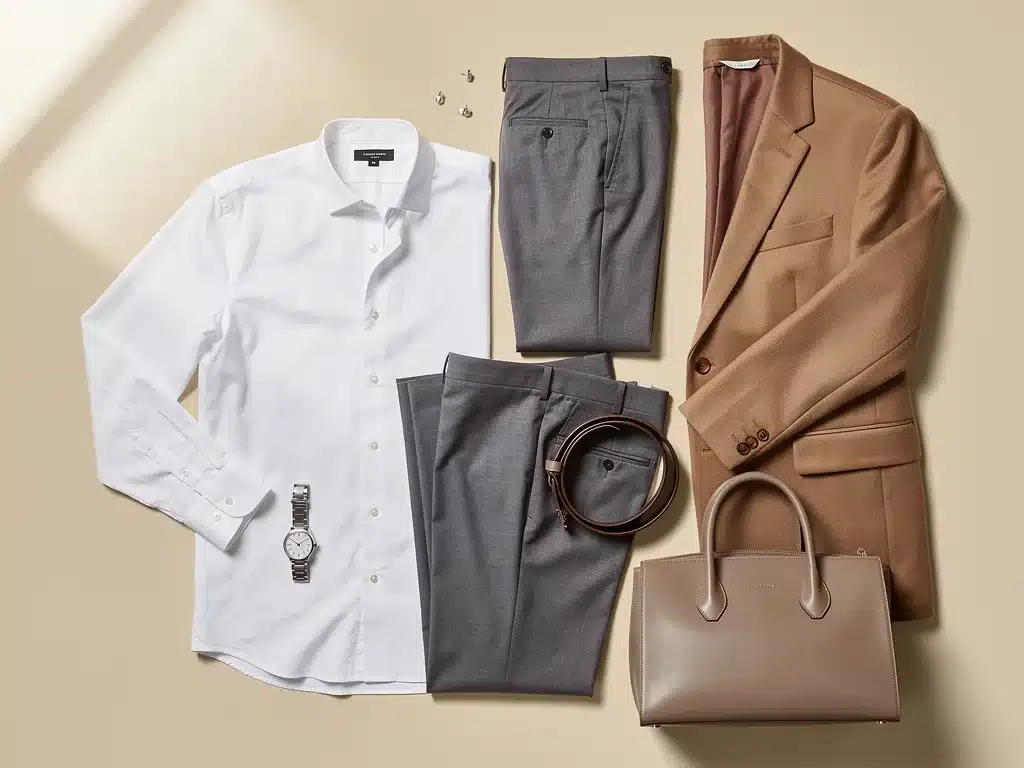
A versatile wardrobe allows individual garments to work across several outfits, which can reduce the need to buy something new for every occasion.
Compatibility does not require an entirely neutral wardrobe; colors, patterns, and distinctive pieces can still work well when they coordinate with existing items.
Before purchasing, imagine several realistic outfits using clothing already in your closet to test whether the new piece will actually be useful.
Building a Capsule Wardrobe
A capsule wardrobe is one way to organize a smaller set of compatible pieces, but there is no universal number of garments that works for everyone.
The size of a practical capsule depends on work requirements, climate, laundry frequency, personal style, hobbies, and how much outfit variety the wearer enjoys.
The useful principle is interchangeability rather than strict minimalism, so the wardrobe should remain functional instead of becoming an arbitrary clothing challenge.
Accessorizing for Impact
Accessories can alter the appearance of familiar outfits without requiring a new set of core garments.
Belts, jewelry, scarves, bags, and shoes can introduce color, texture, structure, or formality depending on the occasion.
As with clothing, accessories provide the best value when they work repeatedly with pieces already owned rather than existing only for one outfit.
Strategy 6: Extend Garment Life Through Care and Repair
Care practices influence how clothing looks and performs over time, making maintenance an important part of wardrobe budgeting.
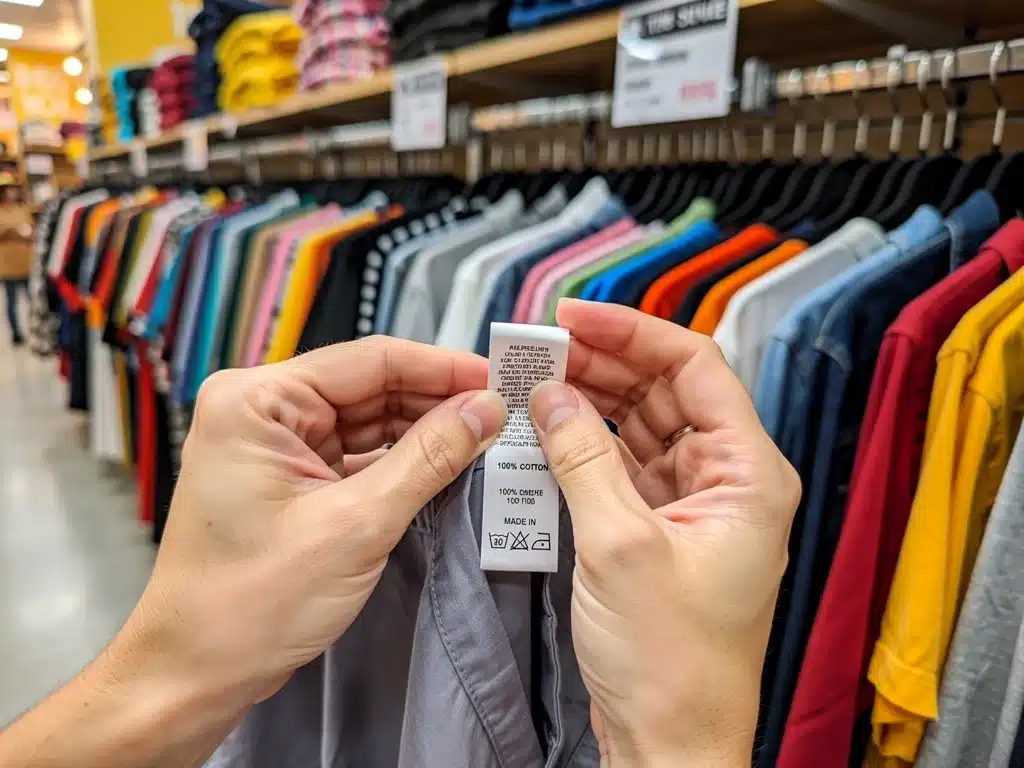
Manufacturers and importers selling covered apparel in the United States are required to provide care instructions that describe an appropriate regular cleaning procedure.
Following those instructions can help reduce avoidable damage caused by inappropriate washing, drying, bleaching, or ironing.
Essential Garment Care Practices
Read the care label before washing because different fabrics, dyes, trims, and garment constructions may require different treatment.
Storage also matters: some knitwear can stretch on hangers, while structured garments may benefit from supportive hanging and sufficient space.
Treating stains appropriately and avoiding unnecessary high heat can also help preserve garments when those methods are compatible with the manufacturer’s instructions.
- Follow the garment’s washing and drying guidance.
- Store clothing in a way that supports its shape.
- Treat stains with methods appropriate for the specific fabric.
Basic Repair Skills
Simple repairs can keep otherwise usable clothing in service when the underlying fabric remains in good condition.
Replacing a button, closing an open seam, repairing a small hem, or fixing a loose hook can often be done with basic sewing skills.
More complex alterations may still be worthwhile when the garment has sufficient value, fit potential, or sentimental importance to justify professional work.
- Reattach loose or missing buttons.
- Repair simple open seams before they spread further.
- Use tailoring when an alteration materially improves wearability.
Strategy 7: Choose Long-Term Relevance Without Rejecting Trends
There is no objective list of garments that will remain fashionable forever because style, lifestyle, climate, and cultural preferences change over time.
Instead of chasing the idea of a perfectly “timeless” wardrobe, prioritize pieces you genuinely like and expect to wear across multiple seasons.
Trends can still have a place when they suit your preferences, especially when they can be incorporated without rebuilding the entire wardrobe.
Identifying Reliable Wardrobe Staples
A wardrobe staple is simply a piece that repeatedly solves a dressing need for the person who owns it.
For some people that may be dark jeans and a blazer, while others may depend more on dresses, workwear, athletic clothing, or climate-specific layers.
The most reliable staples are therefore defined by actual wear frequency rather than by a universal fashion checklist.
Distinguishing Trends From Personal Style
Trends change quickly because retailers, designers, media, and consumers continuously introduce new silhouettes, colors, and styling ideas.
Personal style can incorporate those changes selectively while maintaining consistent preferences in fit, proportion, color, or overall aesthetic.
A useful rule is to buy a trend because you genuinely want to wear it, not because its current popularity creates pressure to participate.
Using Cost Per Wear as a Practical Check
Cost per wear can help compare purchases by dividing the amount spent by the approximate number of times an item is actually worn.
A lower-priced garment worn once may provide poorer value than a moderately priced garment worn frequently, but the calculation is only an estimate.
Comfort, repair costs, cleaning expenses, resale value, and changing needs can all influence whether a purchase ultimately provides good value.
Do Not Use Cost Per Wear to Justify Overspending
Predicting hundreds of future wears does not make an unaffordable purchase financially sensible today.
The item must still fit within the Smart Shopper’s current budget without creating debt or displacing higher-priority expenses.
Cost per wear is best used as a comparison tool after affordability and genuine need have already been established.
Sustainability and Wardrobe Longevity
Extending the useful life of clothing can support lower-consumption habits by reducing the frequency of replacement purchases.
Secondhand shopping, repair, appropriate care, and repeated wear can all contribute to keeping usable garments in circulation longer.
No individual purchase is automatically sustainable, however, because environmental impacts also depend on production, transportation, use, cleaning, and disposal.
Understanding U.S. Textile Waste Data
The U.S. Environmental Protection Agency identifies discarded clothing as one of the main sources of textiles entering the municipal solid-waste stream.
Its material-specific dataset estimated approximately 17 million tons of textile waste generated in 2018, with about 11.3 million tons landfilled.
Those figures remain useful historical context, but they should be identified as 2018 estimates rather than presented as current 2026 waste totals.
| Key Strategy | Practical Benefit |
|---|---|
| Audit First | Identifies genuine wardrobe gaps before new spending. |
| Inspect Quality | Evaluates construction, fabric, fit, and care rather than price alone. |
| Shop Secondhand | Can provide lower-priced access to usable pre-owned clothing. |
| Use Sales Carefully | Reduces price when the discounted item already fills a real need. |
| Favor Versatility | Makes more outfits possible from pieces already owned. |
| Maintain Garments | Helps prevent avoidable damage and premature replacement. |
| Buy for Real Use | Prioritizes personal relevance over temporary fashion pressure. |
Frequently Asked Questions About Smart Shopper
Looking Ahead: Sustaining a Smart Shopper Wardrobe
Smart Shopper works best when quality is evaluated alongside affordability, fit, usefulness, and realistic care needs.
Resale markets, sales, capsule concepts, repairs, and careful fabric evaluation can all support better purchasing decisions, but none of them guarantees savings on its own.
The strongest long-term strategy is simple: understand what you actually wear, inspect garments carefully, maintain what you already own, and purchase new clothing only when it adds meaningful value to your wardrobe.
